



Man vs. Prophecy? A New Look at the Classic Discussion of Predetermination in the...
The Mei Ha-Shiloah’s statements on predetermination pose a theological challenge to foundational Jewish doctrines. In an analysis weaving together several Torah narratives and Izhbitzer commentaries, Reuven Boshnack proposes an empowering interpretation of the Mei Ha-Shiloah.

Why is Tabernacle Construction the Foundation of Shabbat?
Ezra Zuckerman Sivan explains the connection between Shabbat and the Tabernacle.
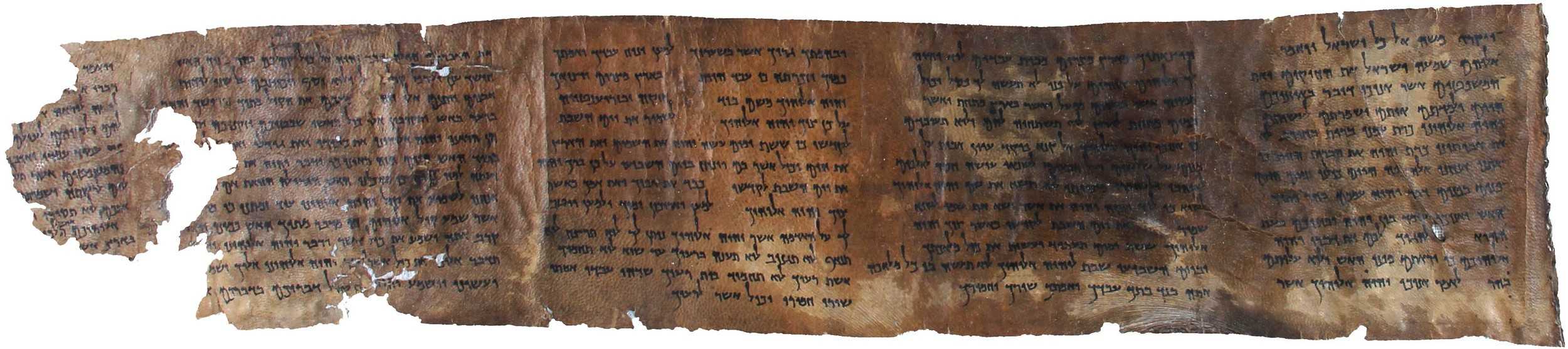
Rupture and Revelation
Ayelet Wenger weaves together the personal, historical and exegetical in advance of reading Sefer Shemot.

Shemot: The Book Without Names
Ben Greenfield calls attention to a crucial, but unnoticed feature of the early narratives in Exodus.

Reeding Between the Lines: Parallels Across the Yam Suf and Baby Moshe Narratives
Ben Greenfield examines the curious parallels between the stories of Moshe in the ark and the splitting of the sea.

Rejoicing at the Downfall of Enemies: From Ancient Egypt to Modern Israel
The propriety of celebrating the downfall of enemies presents a complex web of questions and seemingly contradictory Jewish texts. Michael Kurin makes sense of this subject and proposes a framework for applying it to matters of Israeli public policy.

Manna, Mitzvot, and Meaning
Ned Krasnopolsky explores the roles of meaning and obedience in matan Torah.

How Mendelssohn’s Torah and Philosophy Converge: A Study of “Anokhi”
How do Moses Mendelssohn and Revelation jibe? Judah Kerbel offers some perspective.

By Whose Blood Do We Live?
Jon Kelsen uncovers a deeper rabbinic meaning to the blood needed to "passover" the Israelites.

“That Your Slave May Rest With You” – Rethinking Oneg Shabbat
In this piece, Shimi Kaufman considers ways of interpreting the intentions surrounding the enjoyment of Shabbat.



 Site Operations and Technology by The Berman Consulting Group.