



Of Warriors and Wolves
In these difficult times for Israel, Aharon Frazer of Alon Shvut is thinking about the fundamental sanctity of human life and the long game. Can war and weapons really take us toward the messianic age?

The G-d of Our Faces
Merri Ukraincik contemplates G-d's role in our lives.

Letters to the Editor: Does Torah u-Madda Answer Today’s Questions?
Today's letters to the editor rethink the utility of Torah u-Madda in today's world. Noam Stadlan reminds us that all knowledge is God's creation and thus inherently valuable, while Larry Grossman (author of “The Rise and Fall of Torah U’Madda“) argues that Torah u-Madda fails to address the various issues that now confront Modern Orthodoxy.

Successfully Unsuccessful: The Paradox of Modern Orthodoxy
Jonah Rocheeld reflects on the state of Modern Orthodoxy and the ways Modern Orthodoxy has removed emotionality from religious practice in pursuit of rationality.

Reclaiming Shepherd Leadership — For Our Leaders, For Ourselves
Drawing upon the teachings of the Piaseczner Rebbe, Rabbi Jonathan Sacks, and others, Yiscah Smith proposes a model for reimagining contemporary Jewish leadership on both the communal and personal levels.

Insanity and Hope
Warren Zev Harvey reflects on the pain and fear of Israel’s current moment, finding unexpected hope in R. Joseph Kaspi’s anti-deterministic theory of history. The essay was originally published in Hebrew and translated by the author.

Letters to the Editor: The Boundaries of Torah u-Madda
The dynamic conversation continues with three letters to the editor widening our perspective on Torah u-Madda. Steve Gotlib grapples with the challenges of living Torah u-Madda in the real world; Ezequiel Antebi Sacca adds a Sephardic view from Argentina; and Eugene Korn adds insight to the Jewish view on Christianity.

A Year in Review – 2021
As 2021 comes to a close, the Lehrhaus team is delighted to highlight many of the thought-provoking essays we’ve published this year, with a diverse array of incredible thinkers and writers.
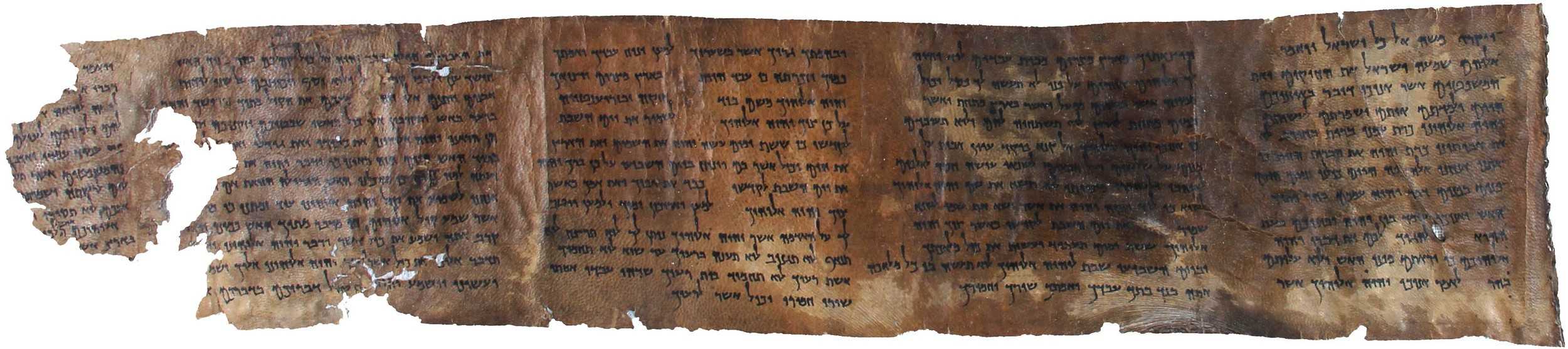
Rupture and Revelation
Ayelet Wenger weaves together the personal, historical and exegetical in advance of reading Sefer Shemot.

Letters to the Editor: Raphael Jospe and Zach Truboff
Raphael Jospe and Zach Truboff write regarding recent articles that have driven conversation.




 Site Operations and Technology by The Berman Consulting Group.