


Parshat Ki Tavo: The Curse of the Law
Baruch Sterman describes how an encounter with a missionary led him to a greater understanding of Ramban's commentary on this week's Parshah.

The Trees of Eden and the Trees of the Siege: Conquest and Protection
The significant linkages between the Garden of Eden narrative and the commandment concerning cutting down trees in time of war suggest a profound message about how we should live in an imperfect world.

The Torah’s Song
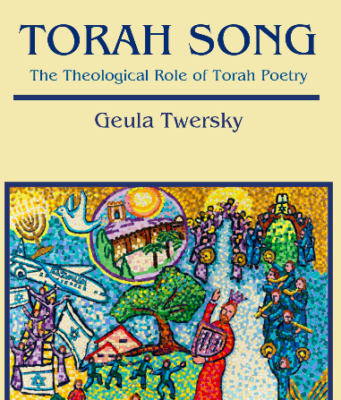
What is the meaning of a biblical song? Writing for Parshat Ha'azinu and in memory of her beloved cousin, Shira Shaindel Rodman (née Brilliant) z”l, Elana Stein Hain reviews Geula Twersky's theory of biblical poetry as portrayed in her 2022 book Torah Song.

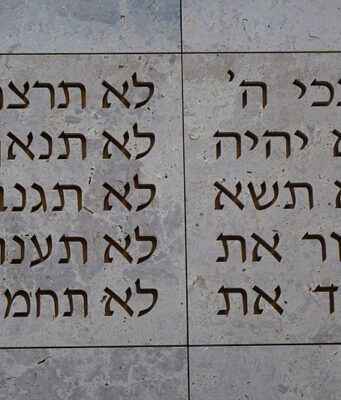
The Reward for Honoring Our Parents
Ezra Sivan challenges our understanding of the fifth commandment and all of Sefer Devarim.

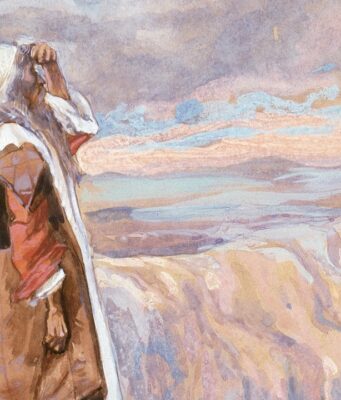
What Do We Know About Moses’s Burial Place?
Ezra Zuckerman Sivan explains what it means when the Torah says that Moses's burial site was hidden.

Also the Diseases
At the height of the cholera epidemic in 1831, Hatam Sofer delivered a timely sermon on a perplexing midrash to Parshat Ki Tavo. The take-home, suggests Elli Fischer, is all-too familiar in the COVID era.

The Sacrifice of Moses
David Fried argues that the question of Moses seeing the face of God reveals the tragic choice Moses made in choosing between his own spirituality and that of his people.

Mikra Bikkurim at the Seder: A View from Deuteronomy
Tzvi Sinensky suggests that we can best understand the Haggadah against the backdrop of Sefer Devarim.

On the Importance of the Twentieth of Iyar
Ezra Sivan uncovers hidden meaning in what happened and didn't happen during the Israelites' journey in the wilderness.

From Kayin to Korah: The Fellow Founders of Foment
Shlomo Zuckier wonders why the earth opened its mouth for both Korah and Kayin.



 Site Operations and Technology by The Berman Consulting Group.