



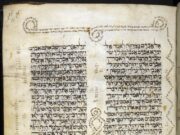
The Divinity Is in the Details
Why do biblical and rabbinic texts preserve so many names, places, and seemingly unnecessary details? Chaim Trachtman argues that these textual additions are more than literary embellishments: they strengthen communal memory, reinforce covenantal identity, and help transform religious tradition into lived history.

Tu b’Shvat and the Question We Can’t Keep Avoiding: Is the Tree of the...
In this essay, Aviva Lauer analyzes the Biblical prohibition against cutting down fruit trees in wartime, and connects it to messages about human dignity.

Megillat Esther as Second Temple Literature
In this essay, Michael Kurin analyzes the book of Esther in the context of the Second Temple and the diaspora.

The Utility of Ambiguity
Dina Brawer explores "certainty" and "doubt" in rabbinic tradition.

Jung Earth Creationism: Two New York Rabbis Respond to the Scopes Trial
No two Orthodox rabbis think exactly the same way, particularly on the matter of Darwinism in the wake of the Scopes Trial.

Legal Fictions: A Narrative Reflection on Yevamot 16:6
As part of his Legal Fictions creative project, Dovid Campbell reimagines the content of Mishna Yevamot 16:6 in an evocative narrative.

On the Freedom to Pray: A Response to Professor Jonathan Sarna
Jonathan Muskat responds to Jonathan Sarna regarding a proposed change in the text of the Orthodox Jewish prayer for the government.
Chabon, Safran Foer, and the Great Jewish American Novel
Ari Hoffman explores the expansive visions of Jewish peoplehood embedded in two major, recently published novels

Abraham and the 1960s – Technocracy and the Journey Inward
Sam Glauber examines Abraham's place in his society.

The Ballad of Cain and Adam
Ari Lamm on The Boss and The Bible




 Site Operations and Technology by The Berman Consulting Group.