




The Development of Neo-Hasidism: Echoes and Repercussions Part II: Abraham Joshua Heschel and Zelda Schneurson...
Ariel Evan Mayse discusses Neo-Hasidism through the eyes of Abraham Joshua Heschel and Zelda Schneurson Mishkovsky.

The Yom Kippur War and Yeshivat Har Etzion: Letters from a Talmid
On the occasion of the 50th anniversary of the Yom Kippur War, published here are excerpts from letters of an American student studying in Israel in 1973. These letters, written during and immediately after the war, shed light on Yeshivat Har Etzion in its formative years and the lasting impact of the Yom Kippur War.

Moses Mendelssohn and the Orthodox Mind
Zev Eleff and Menachem Butler explore the reception of Moses Mendelssohn in American Orthodox Judaism, focusing on a curious commotion surrounding the bicentennial of Mendelssohn's death

Trajectories of Tradition: King David on Skin Lesions and Tent Impurities
AJ Berkovitz traces the reception history of a Midrash Tehillim that seems to equate the reading of Psalms with Torah study, offering a fascinating case study of how tradition evolves.

Letter To The Editor: Responses To Tzvi Goldstein On Centrist Orthodoxy And Haredi Orthodoxy
Tzvi Goldstein's recent piece on Centrist and Haredi Orthodoxy has generated many responses from our readers. Today we present two stimulating letters by R.A. Alpert and Yaakov Resnik, who examine Goldstein's analysis from the perspectives of Hirschian Torah im Derekh Eretz and his analysis of the underpinnings of the Haredi hashkafa, respectively.

The New Jewish Philosophy of Rav Shagar
Continuing the conversation, Dr. Miriam Feldmann-Kaye introduces postmodernism and responds to some critics of Rav Shagar.

Halakhah: Navigating Between Unity and Plurality
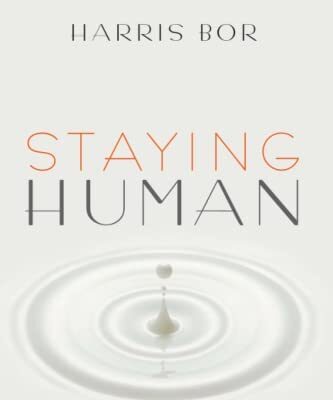
Aaron Segal reviews Staying Human by Harris Bor.

Yiddengeist and Arguments for the Sake of Heaven
Ian Gonsher explores the spiritual nature of argument in Judaism.

Frum and Free? Passover and Jewish Views on Liberty
Aton Holzer offers a novel re-reading of the Seder, arguing that it reflects and recreates four types of liberty that can be found in the Exodus narrative, as well as a fifth form of freedom.

The Many Hats of Heresy: Epikorsut and Minut in the Writings of the Sages
The epikorus and the min apparently represent two different kinds of heretic in traditional Jewish literature. Elisha Price traces the evolving meaning of each term in Hazal and medieval writings, clarifying the differences between the major genres of Jewish heresy and helping illuminate for us why they matter.


 Site Operations and Technology by The Berman Consulting Group.