




Rabbi Lamm, Aliens, and Imitating God in the Age of AI
Max Hollanders compares the theological issues raised by alien life and AI.

A Year in Review – 2021
As 2021 comes to a close, the Lehrhaus team is delighted to highlight many of the thought-provoking essays we’ve published this year, with a diverse array of incredible thinkers and writers.

Giving Shape to Abstraction: Illustrating Redemption in the Book of Ruth
Benjamin Marcus was commissioned to create illustrations for an illuminated manuscript of the Book of Ruth. In this one-of-a-kind article, he shares his challenges, his discoveries, and his art.

Letter to the Editor: Response to Ben Greenfield on the Forefathers’ Attributes
In his letter to the editor, Gershon Klapper draws upon three medieval sources that undermine Ben Greenfield's recent reading of the Zohar on the three attributes of the Avot.

When God Appeases Man: Yom Kippur in a Time of Exile
Yom Kippur marks the end of an 11 week period when thematic haftarot about the destruction of the Temple, consolation following its loss, and repentance replace haftarot connected to the weekly Torah reading. What can this grouping teach us about the nature of forgiveness and reconciliation? Hannah Abrams explains.

Bilam, God, and the Silent and Slanted Spaces
For Eve Grubin, Bilam's hidden messages is a lesson for the Torah and for life.

Summer Chaplaincy as Modern Priesthood; a Theological Reflection
Eliyahu Freedman compares hospital chaplains to the Kohanim.
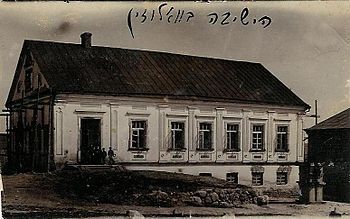
Rav Hayyim and the Love of Lernen
In 1927, Rabbi Boruch Ber Leibowitz wrote a poem, an ode to Rabbi Hayyim Soloveitchik of Brisk. Nati Helfgot provides the background and a translation.

Yom Yerushalayim: On Not Yet, Always Already, and the [Im]possibility of Crossing Over
Aton Holzer reflects on Jerusalem and Zionism.

She-Hehiyanu: An Endangered Blessing Species
It is customary to celebrate Tu Bi-Shevat by eating fruits and reciting the She-Hehiyanu blessing on them. This custom, however, has proved challenging in recent years as advances in technology have made it difficult to find new fruit—as defined by halakhah—to say the She-Hehiyanu




 Site Operations and Technology by The Berman Consulting Group.