



Trajectories of Tradition: King David on Skin Lesions and Tent Impurities
AJ Berkovitz traces the reception history of a Midrash Tehillim that seems to equate the reading of Psalms with Torah study, offering a fascinating case study of how tradition evolves.

Leadership Through Retreat: A New Perspective on the Book of Esther
The biblical figure of Esther is often interpreted by traditional and modern commentators as a heroine of active leadership. Naama Sadan offers a novel perspective, according to which Esther confronts national crisis in female-coded ways, triumphing and saving her people through internally-focused activism.

The Nature Of Theodicy
Chaim Trachtman compares science and theodicy based on a novel read of the book of Job.

Giving Shape to Abstraction: Illustrating Redemption in the Book of Ruth
Benjamin Marcus was commissioned to create illustrations for an illuminated manuscript of the Book of Ruth. In this one-of-a-kind article, he shares his challenges, his discoveries, and his art.

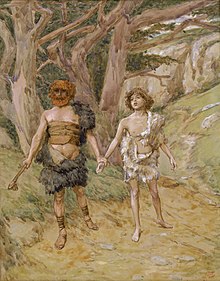
A Tale of Two Rages: God Confronts Cain and Jonah
Dan Ornstein juxtaposes the narratives of Cain and Jonah and explores the motif of anger.

Rejoicing at the Downfall of Enemies: From Ancient Egypt to Modern Israel
The propriety of celebrating the downfall of enemies presents a complex web of questions and seemingly contradictory Jewish texts. Michael Kurin makes sense of this subject and proposes a framework for applying it to matters of Israeli public policy.

God’s Estranged Wife: Rashi on Song of Songs, Lamentations and Hosea
Through analyses of Rashi's commentaries on Song of Songs, Lamentations, and Hosea, Devorah Schoenfeld explores narratives of the Jewish nation's relationship to God.

Divine Companionship in the Tokhahah: A Textual Analysis
The tokhahah in Leviticus 26 is frequently read as a tragedy, warning of the dire consequences of sin and national failure. Ahead of Yom Kippur 5786, Milton Torres-Ceron offers a new reading, informed by the traditional "pardes" method, that frames Leviticus 26 as an affirmation on unwavering divine companionship with Israel.

Megillat Esther as Second Temple Literature
In this essay, Michael Kurin analyzes the book of Esther in the context of the Second Temple and the diaspora.

Haman and the Antisemitic Fantasy
The worldview and thought process of Haman bear an uncanny resemblance to those of contemporary antisemitic movements. Drawing on the work of French psychoanalyst Jacque Lacan, Zach Truboff explores the fantasy at the heart of Haman's rage, takes note of its contemporary echoes, and proposes that Jews must beware of stumbling into our own version of this fantasy. This essay was written before the war with Iran. That Khamenei, who embodied the antisemitic fantasy as fully as any figure in our lifetime, was eliminated on the eve of Purim requires no commentary beyond what the Megillah itself provides.



 Site Operations and Technology by The Berman Consulting Group.