





An Ishbitz-Radzyn Reading of the Joseph Narrative: The Light of Reason and the Flaw...
Batya Hefter traces Joseph's character development through the eyes of the Ishbitz-Radzyn masters.

A Pediatric Akeidah
Chaim Trachtman sees the Akeida as addressing the threat to human life, especially that of children, which is always inherent in the religious experience.

Covenant in Retrospect: Rereading the Brit Bein Ha-Betarim (Gen. 15)
Joel Wolowelsky & Avner Taler explore the Brit Bein Ha-Betarim through a lens of chronology and spiritual renewal.

Philosophy and Exegesis: Which Leads? A Review of Aaron Koller’s Unbinding Isaac
Zvi Grumet reviews Aaron Koller’s new book on the Akedah and evaluates his surprisingly novel approach to this formative biblical story.

Noah and the Trauma of Heroic Destiny
Sruli Fruchter examines the story not often told about Noah—the trauma inflicted by immense responsibility amidst immense destruction.

To Rebeccah
Aryeh Klapper recreating a patriarchal voice.

The Patron Saint of Rabbis’ Kids
The father heard the voice of God, Elli Fischer explains, but the son ends up with the blade on his neck.

The Ballad of Cain and Adam
Ari Lamm on The Boss and The Bible

Beyond Perfect Repentance
Eliezer Finkelman discusses the meaning of perfect repentance.
Rereading the Akedah Story (Genesis 22)
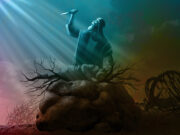
Joel Wolowelsky analyzes various midrashic readings of the Akedah.




 Site Operations and Technology by The Berman Consulting Group.