





Prayer in an Age of Distraction
Zachary Truboff considers the experience of prayer, and what two recent publications on Tefillah emerging from the Religious Zionist community contribute.

Rav Nachum Rabinovitch and the Art of Ancient Dyeing
Baruch Sterman, founder of the @Ptil Tekhelet Institute, tells the story of Rav Rabinovitch's pivotal role in the discovery of the tekhelet - and an episode of "The Worst Jobs in History," a 2004-2006 BBC series.

Reclaiming Shepherd Leadership — For Our Leaders, For Ourselves
Drawing upon the teachings of the Piaseczner Rebbe, Rabbi Jonathan Sacks, and others, Yiscah Smith proposes a model for reimagining contemporary Jewish leadership on both the communal and personal levels.

Do Children Belong in Shul?
Moshe Kurtz explores halakhic and hashkafic considerations surrounding bringing young children to shul.

Hevel: The Journey of an Intangible Word
Benjamin Barer traces the word Hevel through Jewish texts, showing how the use of the same word can teach us both about the wisdom of Kohelet we read this past Shabbat and the character of Hevel who we will read about in this week's Parashah.
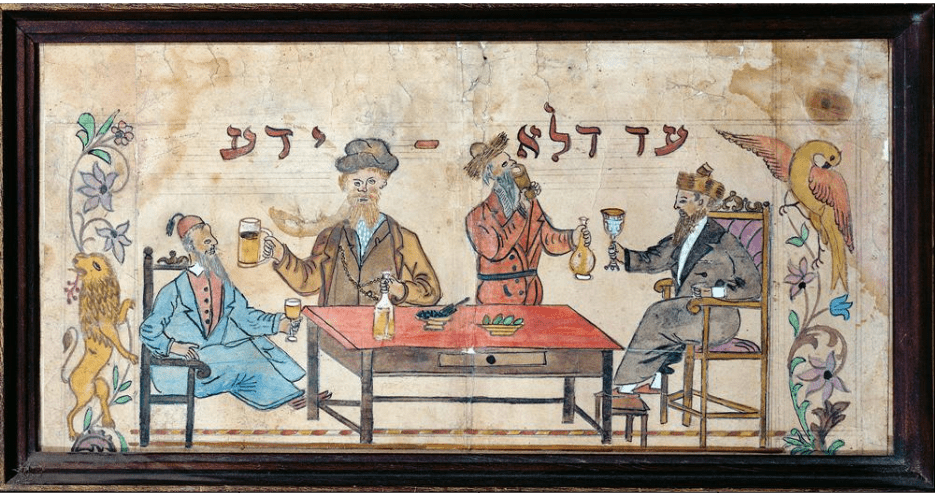
“Miracles Do Not Happen at Every Hour”: Purim Drinking as anti-Christian Polemic
Eliav Grossman examines the Talmud's account of drinking on Purim, reading it as directed at Christian texts and traditions.

Get Your Hashkafa Out of My Chumash!
Yaakov Jaffe provides an ideological argument against including ideology in our Chumashim.

A Ripe Old Age: Abraham, Gideon and David
Daniel Lifshitz explains the connection between Abraham, Gideon, and David through the lens of this week's Parshah and Haftarah.

Pinhas’ Parts: Of Priests, Peace, and Disturbing the Piece
What was the covenant of peace God gave Pinchas? R. Shlomo Zuckier puts the pieces together to find out

Rudolph Kastner and How History Becomes Midrash
Chesky Kopel looks at the various tellings and retellings of the controversial deal that Rudolph Kastner made with Nazi leadership in Budapest and argues that they represent a modern-day Midrashic presentation of the history.




 Site Operations and Technology by The Berman Consulting Group.