



What Can We Learn From Louis Jacobs?
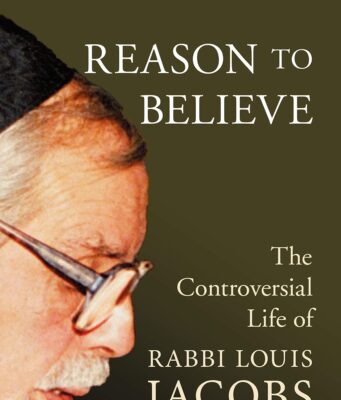
Louis Jacobs, the controversial British rabbi and theologian, died 15 years ago. Steven Gotlib reviews Harry Freedman’s new book on Jacobs’ life, and considers how what happened to Jacobs should inform the way we draw the boundaries of Orthodoxy today.

Ron Santo and the Jews
A historical document on the Jewish love for the Cubs all-time great third baseman.

Man is not God: The Limits of Imitatio Dei
David Fried clarifies the concept of imitating God through Rashi's oft-neglected reading of “It is not good for man to be alone”

A Return to the World of Medieval Ashkenaz
Alan Jotkowitz reviews the latest volume of Dr. Haym Soloveitchik’s collected essays, bringing us back to the world of medieval Ashkenaz.

Prayer in an Age of Distraction
Zachary Truboff considers the experience of prayer, and what two recent publications on Tefillah emerging from the Religious Zionist community contribute.

The New Jewish Philosophy of Rav Shagar
Continuing the conversation, Dr. Miriam Feldmann-Kaye introduces postmodernism and responds to some critics of Rav Shagar.

Notes on the Conversation surrounding Faith Shattered and Restored / Post-Modern Orthodoxy.
Marc Dworkin re-examines the impact of Rav Shagar's thought on the English-speaking audience.

Parshat Vayishlach: Rabin, Rachel, Rains and Retzach: How an untranslatable word shaped Judaism and...
In the anniversary month of Yitzchak Rabin's assassination, Aton Holzer considers definitions and perspectives of who is a killer and what it means to kill.

Theologies of Prayer: Dov Singer and Arthur Green in “Conversation”
Steven Gotlib explores similarities between Rabbis Dov Singer and Arthur Green in their models of prayer and how this model can make prayer meaningful even when experiencing doubts in one’s faith.

The Shekhinah as a Tool for Political Critique: The Mystico-Political Thought of Rabbi Menachem...
Twelve years after the passing of R. Menachem Froman, his daughter-in-law, the scholar and activist Tchiya Froman, considers R. Froman’s literary critique of the Gush Emunim settlement enterprise and his determination that Judaism requires a feminine revolution.




 Site Operations and Technology by The Berman Consulting Group.