



Something to Lose – Eviatar Banai and the Sukkot Paradox
Sarah Rindner has been listening to Eviatar Banai just in time for Sukkot.

Why Do We Deserve God’s Favor?
Ezra Sivan probes the Sabbath and the Torah's call to love God.

Letters to the Editor: Responses to Zach Truboff on Religious Zionism and Yosef Lindell...
Yitzchak Blau and Michael Broyde respond to recent articles that have driven conversation.

Gleaning the Wisdom of Ruth
In advance of Shavuot, Stuart Halpern reviews Reading Ruth, a succinct but poignant new literary commentary on the Book of Ruth, by Leon Kass and his granddaughter Hannah Mandelbaum.

Rebuilding a Future When Our World Comes Crashing Down
Ezra Zuckerman Sivan examines how the yibbum triangle of Ruth, Tamar, and Lot's daughters teaches us how to rebuild our lives in a time of upheaval.

Shomron Kol Titein: Let the Silent Sisters Speak and be Consoled
Yosef Lindell examines why Shomron Kol Titein is a fitting conclusion to the daytime kinnot on Tisha Be-Av.

Human Words: Rav Elhanan Nir’s “Intentions for Rosh Hashanah”
Levi Morrow provides an all-new translation of Rav Elhanan Nir’s “Kavvanot for Rosh Hashanah,” and analyzes how these theological poems speak about our relationship with God and prayer on Rosh Hashanah.
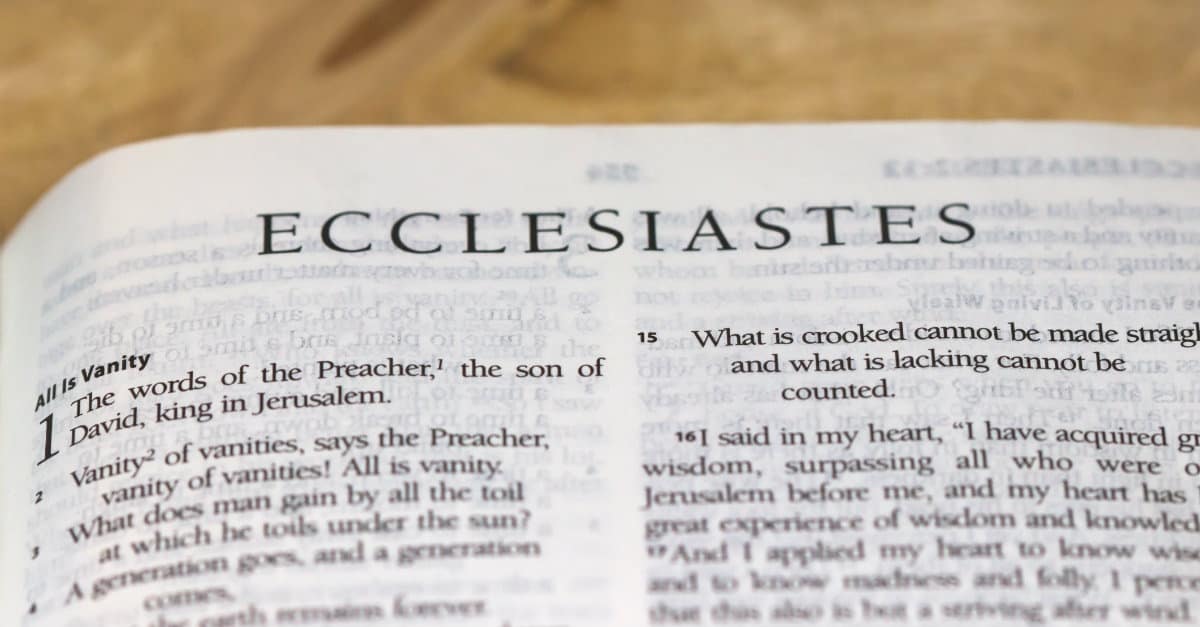
Kohelet as Intertext
Theodicy, faith, and the meaning of life. Who got it right - Kohelet or our Yamim Noraim liturgy? Elana Stein Hain explores!

Confronting God on Tishah Be-Av in Yehudah ha-Levi’s Yom Akhpi Hikhbadti
Yosef Lindell examines how Yehudah ha-Levi's kinnah about the bubbling blood of Zechariah modifies the story found in Talmudic sources and thus tackles the question of theodicy.

Joy at Last: Reflections on the End of Esther
Erica Brown explores the deeper meaning of joy in Megillat Esther and beyond.


 Site Operations and Technology by The Berman Consulting Group.