



Also the Diseases
At the height of the cholera epidemic in 1831, Hatam Sofer delivered a timely sermon on a perplexing midrash to Parshat Ki Tavo. The take-home, suggests Elli Fischer, is all-too familiar in the COVID era.

Inconsistencies in the Torah: Shamor vs. Zakhor
Gavriel Lakser explains how the change from Zakhor to Shamor is one of the earliest examples of Oral Torah.
On the Irrelevance of Biblical Criticism
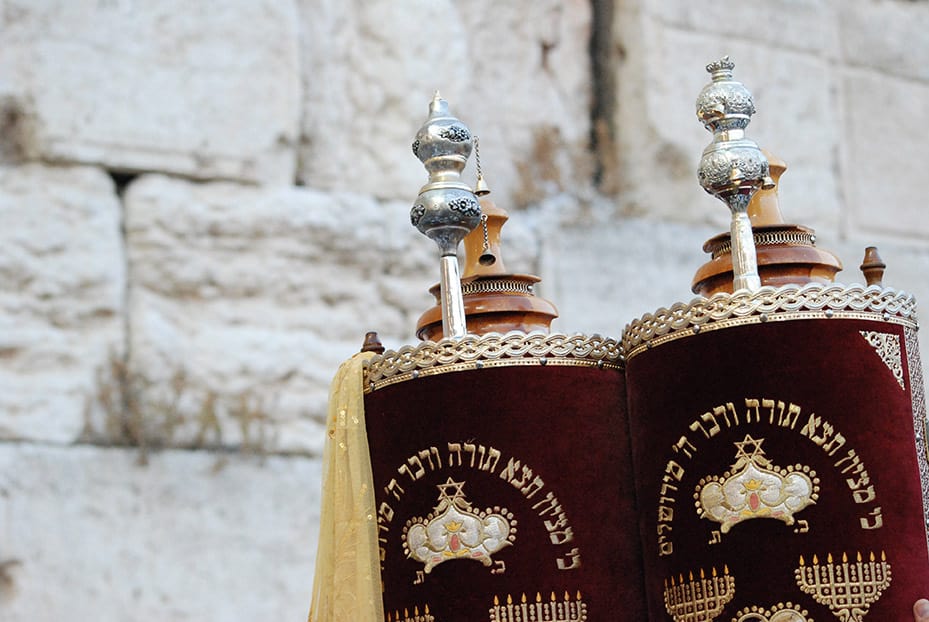
Commentary by @Jerome Marcus: why biblical criticism directs our attention to the wrong way to read any good book, never mind The Good Book.

Shades of White: A Fresh Look at Lavan’s Relationship With Yaakov
Yitzchak Etshalom comments on the relationship between Lavan and Yaakov.

Should Jacob have conquered Canaan?
David Curwin explores the evidence that Jacob may have made a fatal mistake in not conquering Canaan upon returning.

Joyful Planting: COVID and the Prohibition of Planting During the Three Weeks
Erica Brown considers the little-discussed prohibition on planting during the Nine Days and what it teaches about the nature of mourning and joy.

Four Reasons to Leverage Pop Culture in the Judaic Studies Classroom
Can we learn Torah from Star Wars, superheroes, or the hit Netflix show ‘The Crown’? Olivia Friedman, a teacher at Ida Crown Jewish Academy in Chicago, says yes, arguing that bringing pop culture into the Judaic studies classroom in a meaningful way not only makes learning more fun, but models the type of integration that Modern Orthodoxy stands for.

God’s Estranged Wife: Rashi on Song of Songs, Lamentations and Hosea
Through analyses of Rashi's commentaries on Song of Songs, Lamentations, and Hosea, Devorah Schoenfeld explores narratives of the Jewish nation's relationship to God.

Shechem, Place Of Brit
This week's Parashah introduces us to the city of Shechem. Tamar Weissman examines the various appearances of this city throughout Tanakh, explaining that while it is a city of rupture, it is also one of covenant and fraternity.

By Whose Blood Do We Live?
Jon Kelsen uncovers a deeper rabbinic meaning to the blood needed to "passover" the Israelites.




 Site Operations and Technology by The Berman Consulting Group.