



Sustainability in the Headship: Lessons from Calev and Yitro
Jordan Soffer examines the two narratives of Calev and Yitro through a lens of effective community leadership.

Odysseus vs. Avraham: What An Essay Written In Exile Teaches About Teshuva
Joe Wolfson explores what a comparison between Homer and the Bible can teach us about Teshuva.

Rabbinic Creativity and the Waters that would Consume the World
Levi Morrow explores how the Rabbis use creative exegesis to save the world
from drowning in a flood

Why Doesn’t Abraham Get to Enjoy the Weekend?
Ezra Sivan compares biblical covenants, the all-important circumcision of
Abraham and Shabbat

The Torah’s Song
What is the meaning of a biblical song? Writing for Parshat Ha'azinu and in memory of her beloved cousin, Shira Shaindel Rodman (née Brilliant) z”l, Elana Stein Hain reviews Geula Twersky's theory of biblical poetry as portrayed in her 2022 book Torah Song.

Divine Companionship in the Tokhahah: A Textual Analysis
The tokhahah in Leviticus 26 is frequently read as a tragedy, warning of the dire consequences of sin and national failure. Ahead of Yom Kippur 5786, Milton Torres-Ceron offers a new reading, informed by the traditional "pardes" method, that frames Leviticus 26 as an affirmation on unwavering divine companionship with Israel.

On the Irrelevance of Biblical Criticism
Commentary by @Jerome Marcus: why biblical criticism directs our attention to the wrong way to read any good book, never mind The Good Book.

Love (and Trust) Conquer All: Another Angle on the Akeidah
Alex Ozar drills down on the point of the Akeidah, responding to Herzl Hefter and Tzvi Sinensky.
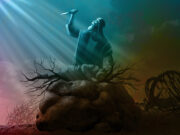
Rereading the Akedah Story (Genesis 22)
Joel Wolowelsky analyzes various midrashic readings of the Akedah.

Death by the Sword: What Makes Balaam so Wicked?
Daniel Brauner analyzes the character of Balaam -- specifically, why Balaam is considered so wicked in the eyes of Chazal.




 Site Operations and Technology by The Berman Consulting Group.