



“Our Eyes”: The Kenites and the Druze
Tamar Weissman shows how the Druze minority in Israel remarkably resemble the biblical Kenites.
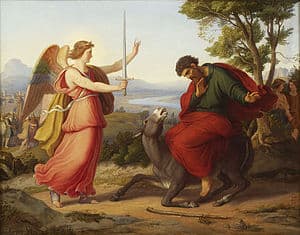
The Problem of Mosaic Authorship You Never Heard of: What is Parashat Bilam?
The Talmud speaks of a mysterious passage on Bilam authored by Moses. What is it?

The Prince and the Precedent: Genesis 34 in its Socio-Legal Context
How should one respond to ominous cultural trends that have not yet had a direct impact? Alex Maged's thoughts on the rape of Dinah.

Peshat and Beyond: The Emergence of A Reluctant Leader
Batya Hefter explores Moses' development as a leader

The “Genesis” of Mary Shelley’s Frankenstein
Eileen Watts examines the similarities between Mary Shelley's Frankenstein and Rav Soloveitchik's Lonely Man of Faith.

Where is the Justice in the Tenth Plague?
Ezra Sivan asks: Where is the justice in the tenth plague?

Jacob’s Silence and the Rape of Dinah
Ari Silbermann examines one of the most traumatic events in the Torah.

When Shabbat first provided a Taste of the World to Come
Our modern Shabbat experience has been called "a taste of the world to come." But was this the case for the first Shabbat in the desert? Ezra Zuckerman Sivan considers the question.

Is a Modern Orthodox Humash Even Possible?
Jack Bieler continues the conversation about the need for and feasibility of a Modern Orthodox humash.

A Tale of Two Rages: God Confronts Cain and Jonah
Dan Ornstein juxtaposes the narratives of Cain and Jonah and explores the motif of anger.




 Site Operations and Technology by The Berman Consulting Group.