




Translation as Interpretation in the Thought of R. Shagar: Speaking with Levinas, Lacan, and...
One of the central concerns of the work of Rav Shagar is translation, in both its literal and figurative versions. Michael Blank explores Rav Shagar's use and conception of translation by examining the way he puts the writings of Rebbe Nachman, Jacque Lacan, and Emmanuel Levinas in conversation.

How To Cleanse A Sanctuary
In honor of Flag Day, Michael Bernstein argues that national flags do not belong in our shul sanctuaries. Drawing on halakhic responsa, news reports, and photographic evidence, Bernstein locates the practice of displaying flags in shuls in its historical context and proposes that flags do not ever belong in prayer spaces.

Why Celebrate the Torah at The Wheat Harvest?
The biblical account of the holiday we refer to as Shavuot bears no relationship at all to the giving of the Torah at Mount Sinai. The emergence of the association between this harvest festival and the Sinai covenant has therefore occupied both traditional and academic thinkers for centuries. Tzvika Aviv argues for a previously unexplored approach to the question, one which bridges the mystical insights of the Zohar with current scientific knowledge regarding wheat genetics.

Rabbi Lamm, Aliens, and Imitating God in the Age of AI
Max Hollanders compares the theological issues raised by alien life and AI.

Rabbi Jonathan Sacks on the Economic Vision of Tanakh and Hazal
Jared Rutner explores Rabbi Sacks’s economic views.

Love Bends the Line
David Curwin
“Ahavah mekalkelet et ha-shurah.”
— Bereishit Rabbah 55:8
The sages used the above phrase “love bends the line” to describe Abraham’s actions before the akeidah:...

The Many Hats of Heresy: Epikorsut and Minut in the Writings of the Sages
The epikorus and the min apparently represent two different kinds of heretic in traditional Jewish literature. Elisha Price traces the evolving meaning of each term in Hazal and medieval writings, clarifying the differences between the major genres of Jewish heresy and helping illuminate for us why they matter.
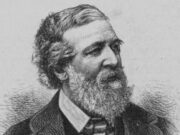
The Poet’s Rabbi
In this essay, Brandon Marlon analyzes the presence of Ibn Ezra in the poetry of Robert Browning.

Our Backs Will Touch: Similarities between Hasidim and German Jewish Hirschians
Yisrael Kashkin explores similarities between Yekkes and Hasidim.

Ha-Inyan Ha-Eloki: Restoring Yehuda Ha-Levy and The Kuzari to Their Andalusian Context
Jackson Gardner offers a new reading of the Kuzari’s Inyan Ha-Elohi.



 Site Operations and Technology by The Berman Consulting Group.