



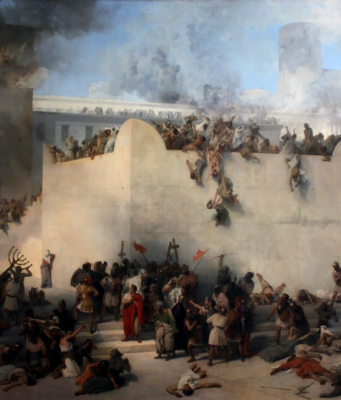

Joyful Planting: COVID and the Prohibition of Planting During the Three Weeks
Erica Brown considers the little-discussed prohibition on planting during the Nine Days and what it teaches about the nature of mourning and joy.

Tu be-Av and the Concubine of Givah
Tzvi Sinensky explores the Biblical origins of Tu be-Av.
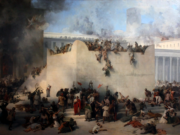
The Great Tisha B’Av Debate: Then and Now
Michael Kurin explores different interpretations of what marks an end of mourning the destruction of the Beit HaMikdash.

The Day After Pardes
Max Hollander analyzes the Talmudic narrative of Pardes and the four rabbis who entered it.

Hollow Land
Zohar Atkins shares a few poetic excerpts in honor of Tishah be-Av

Bernard Malamud’s “The German Refugee”: A Parable for Tishah Be-Av
Eileen Watts explores how Bernard Malamud's "The German Refugee" amplifies the themes of Tisha B'Av.

God’s Estranged Wife: Rashi on Song of Songs, Lamentations and Hosea
Through analyses of Rashi's commentaries on Song of Songs, Lamentations, and Hosea, Devorah Schoenfeld explores narratives of the Jewish nation's relationship to God.

Who Caused the Deaths of the 10 Martyrs? The Kinot of the 9th of...
Yaakov Jaffe analyzes what the Kinah about the Ten Martyrs says about heroism.

How Halakhah Changes: From Nahem to the “Tisha be-Av Kumzitz”
Chaim Saiman on halakhic change and the observance of Tisha Be-Av.

The Daring Theology of the Kinnah of the Maharam
Yaakov Jaffe examines the anti-Christian polemic in Maharam of Rottenberg's Kinnah about the burning of the Talmud.



 Site Operations and Technology by The Berman Consulting Group.