

Dovid Campbell
The Talmud’s non-legal portion, its multifaceted aggadah, has long been a fertile soil for Jewish thought. In our attempts to articulate “the Jewish view” on a subject, we often turn to the aggadah for clarity and guidance. In these poems, however, I turn to the aggadah not for its clarity but for its humanity; not for its guidance but for its embrace. It is my hope that these poems will inspire others to study the aggadah seriously, that is, as the poetry of Jewish experience.
Becoming Other
There’s immortality at the top of that tree,
and I envy this little boy,
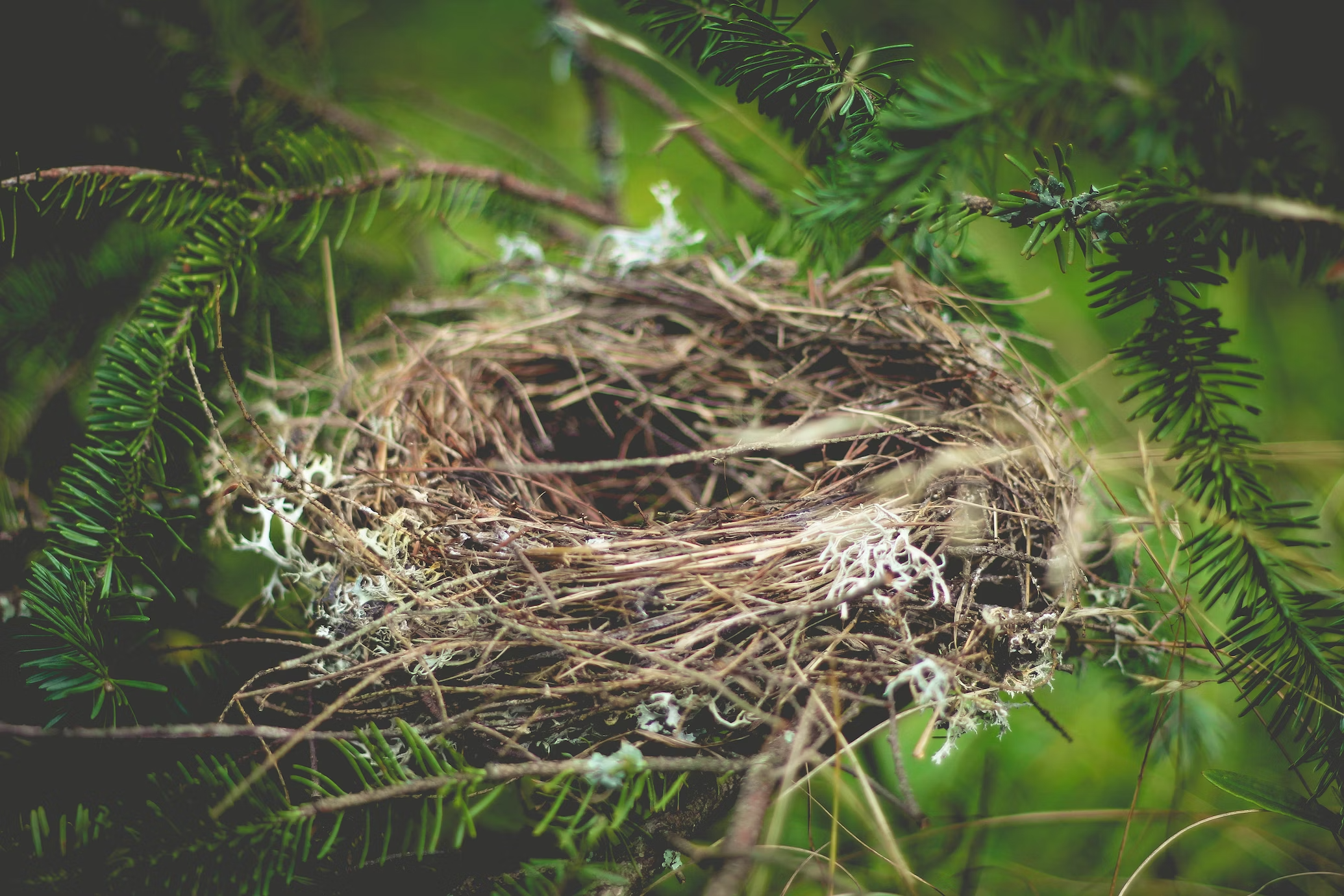
ascending toward a bird’s nest,
with grace.
His eyes are celestial pools, reflecting an inner light.
There’s immortality at the top of that tree,
but he’s not looking for it.
He’s looking for love in the boughs.
And then he’s falling, this little boy,
he’s falling,
but how?
And why?
And for what?
Who permitted it? Who foresaw?
Who will explain? Who will repair?
No one answers me,
only a whisper that I am lost,
that I am now Other,
because you will not admit
that the whole world is falling with this boy.
Your laws and your philosophies are falling with this boy,
Your governments, your hypocrisies,
Your plans and your stupid promises,
(and my heart,
my wretched heart)
falling forever with this boy.
Trees of Knowledge
The trees are cutting down men,
slicing them thin,
and writing poetry on them.
A lovely ode was cut into my father’s liver,
A sonnet carved
at the back of my son’s brain.
I read it often.
The words flow beautifully,
but occasionally a memory of his slips in,
an afternoon we spent in the fields,
and the meter is ruined.
The poem is about the changing colors
of a grown man’s beard.
And then my son is asking
why the earth is filled with thistles,
and maybe we can finally
go home.
The beard is now gray;
the poem ends.



 Site Operations and Technology by The Berman Consulting Group.