



Translation as Interpretation in the Thought of R. Shagar: Speaking with Levinas, Lacan, and...
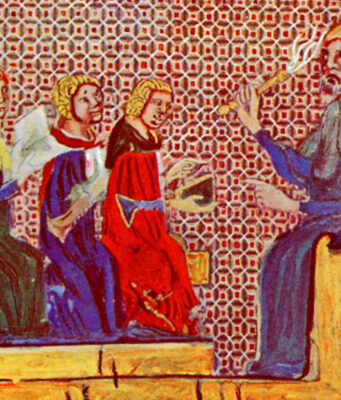
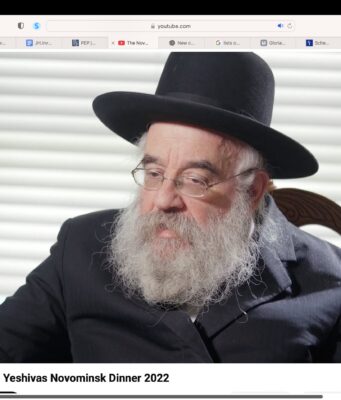
One of the central concerns of the work of Rav Shagar is translation, in both its literal and figurative versions. Michael Blank explores Rav Shagar's use and conception of translation by examining the way he puts the writings of Rebbe Nachman, Jacque Lacan, and Emmanuel Levinas in conversation.

Masoret Ha-Giyyur: A Defense of a Broader Tradition of Psak in Conversion
Avi Baumol reviews Rabbi Eliezer Melamed's bold contribution to the halakhic literature on conversion standards.

How To Cleanse A Sanctuary
In honor of Flag Day, Michael Bernstein argues that national flags do not belong in our shul sanctuaries. Drawing on halakhic responsa, news reports, and photographic evidence, Bernstein locates the practice of displaying flags in shuls in its historical context and proposes that flags do not ever belong in prayer spaces.

Successfully Unsuccessful: The Paradox of Modern Orthodoxy
Jonah Rocheeld reflects on the state of Modern Orthodoxy and the ways Modern Orthodoxy has removed emotionality from religious practice in pursuit of rationality.

Rabbi Lamm, Aliens, and Imitating God in the Age of AI
Max Hollanders compares the theological issues raised by alien life and AI.

Rabbi Jonathan Sacks on the Economic Vision of Tanakh and Hazal
Jared Rutner explores Rabbi Sacks’s economic views.

The Algorithm That Couldn’t See: AI Ethics and the Halakhic Discipline of Perception
Joseph Feit outlines a dimension of the topic of artificial intelligence and Halakha, emphasizing the lack of perception inherent in artificial intelligence.

Correlation Is Not Causation
Haim Watzman's short story, which previously appeared in Hebrew in the National Library of Israel's literary magazine, explores the grief and confusion of wartime in Jerusalem.

Review: Rabbi Joshua Berman’s “Echoes of Egypt” haggadah
In this review, Garry Wayland explores Rabbi Joshua Berman's new "Echoes of Egypt" Haggadah, which incorporates aspects of ancient Egyptian history.

Shirah Hadashah: A Review of Three Jewish Poets’ Inaugural Collections
In this review, Chesky Kopel juxtaposes three new poetry books which illustrate today's trials and tribulations: Tikvah Hecht's "Tashlikh," Brian Rohr's "Shaken to my Bones: A Poetic Midrash on the Torah," and Eden Pearlstein's "Nothing is for Everyone."



 Site Operations and Technology by The Berman Consulting Group.